Start with the reach path
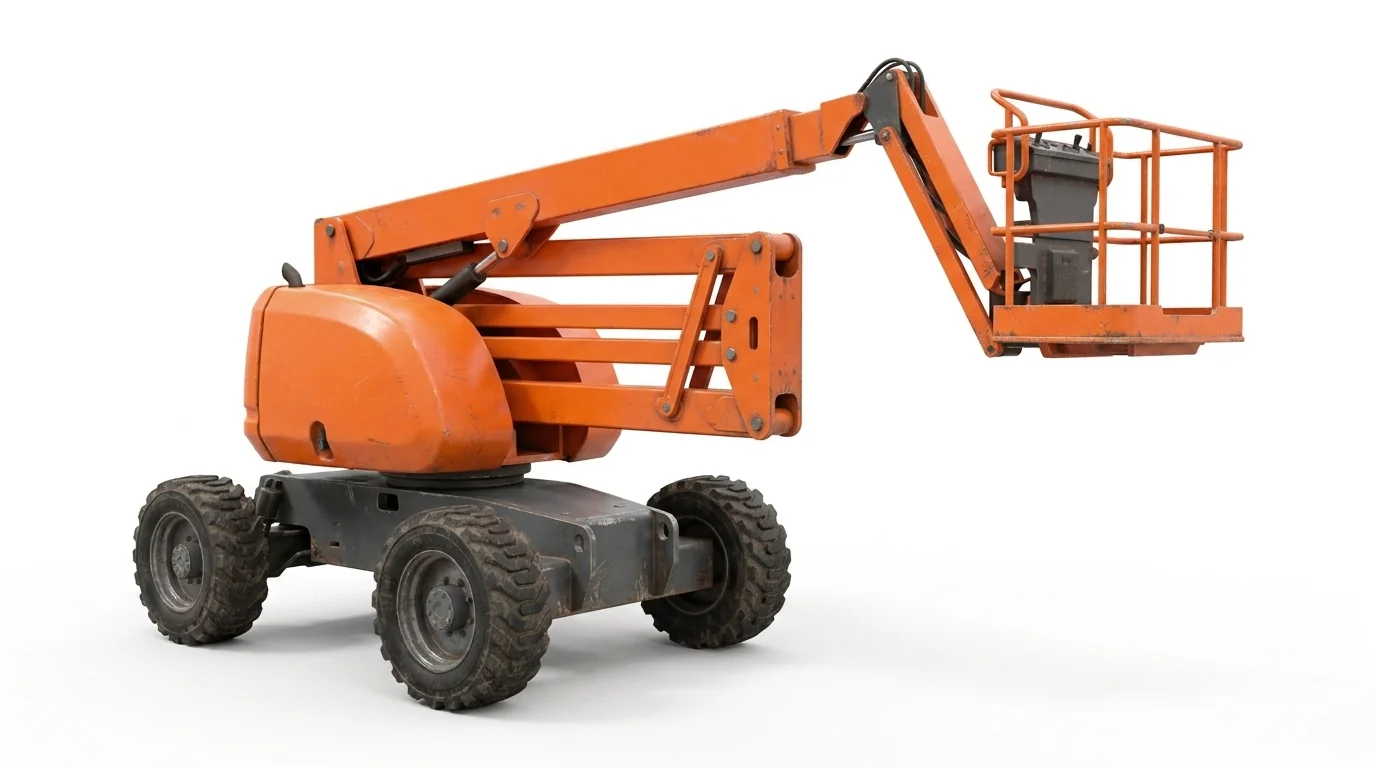
If the machine can sit directly in front of the task with a clear sky path, a telescopic boom is typically the most efficient way to place the platform. Long horizontal reach matters on wide parking aprons, marina edges, and large industrial sites where the setup point sits far from the facade.
Local factors that change the comparison
- Coastal wind exposure: Open waterfront lots and elevated decks can experience gusts that affect allowable envelope. The selected unit’s instructions set limits; plan for exposure typical of the regional climate.
- Surface variability: Deep, sandy soils and soft shoulders may require rough-terrain capability, wider tires, or ground mats to distribute load.
- Salt air: Exterior work near the ocean favors equipment with corrosion-resistant finishes and frequent checks of exposed components.
Measurements that narrow the model
- Horizontal reach from the setup point to the work face
- Vertical height to the task, including parapet or roofline clearance
- Setback distance available for stabilizing on firm ground
- Ground bearing capacity along the travel path and at the final position
Power and configuration
- Diesel rough-terrain units suit long exterior runs on unimproved ground.
- Electric or hybrid models fit mixed-use sites that move indoors briefly, though straight booms are typically exterior-focused due to size and tail swing.
When to consider another category
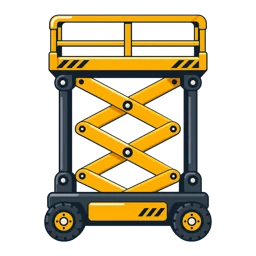
If an overhang, sign band, or canopy blocks the line of sight, compare with an articulating model at /articulating-boom-lift-rental/. If vertical-only access on a finished slab is the norm, review /electric-scissor-lift-rental/.
Site procedures and conditions govern
Actual operation depends on surface conditions, wind exposure, and the chosen unit’s instructions. Verify these before committing to a specific reach class.