Define the load path first
Identify where the load starts, how far it must travel, and the exact placement point. Measure horizontal reach to balconies, rooflines, or mezzanines, and confirm stacking height for on-site storage. If the path crosses sand, landscaping, or temporary fills, ground pressure and tire selection become central.
Local terrain and environment considerations
- Deep, sandy soils: Expect variable support at site edges and temporary drives. Wider tires and lower ground pressure reduce sink risk along the approach.
- Salt air: Coastal corrosion affects forks, carriages, and electrical connectors. Exterior beachfront work benefits from corrosion-resistant packages and diligent inspection schedules.
- Wind exposure at height: Placing materials on elevated decks or frames near the coast calls for careful attention to the load chart and site procedures.
Measurements that narrow the class
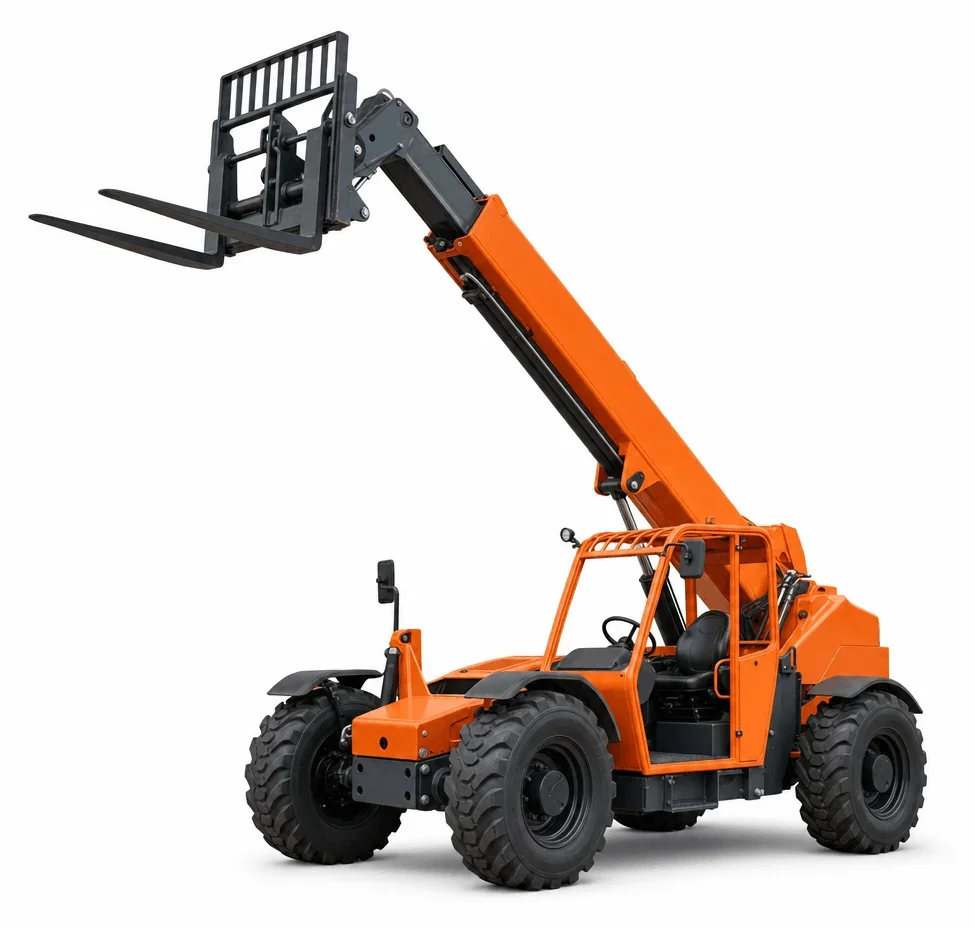
- Maximum load weight and its center of gravity on the forks
- Required lift height and forward reach at that height
- Turning radius available in staging and drop zones
- Ground bearing capacity where outriggers or stabilizers, if equipped, will transfer load
Attachments and carriages in context
While operation details depend on site procedures, selection usually centers on standard pallet forks for block and pallet work or rotating/tilting carriages for precise placement in tight bays typical of local commercial builds.
Related categories
For personnel access after material placement, see /boom-lift-rental/ for overview options or /articulating-boom-lift-rental/ for up-and-over positioning near facades.
Site procedures and conditions govern
Actual lifting limits, wind allowances, and surface requirements are defined by the chosen unit’s instructions and the jobsite’s policies.