Start with the route and the load
Map the full path from pickup to drop: door widths, aisle dimensions, slope changes, and any exterior segments. Note pallet size, load weight, and the highest rack or deck height. These measurements determine mast type, capacity, and turning requirements.
Local surfaces change the comparison
- Interior slabs: Electric or cushion-tire forklifts fit tight aisles and finished floors typical of healthcare and logistics spaces.
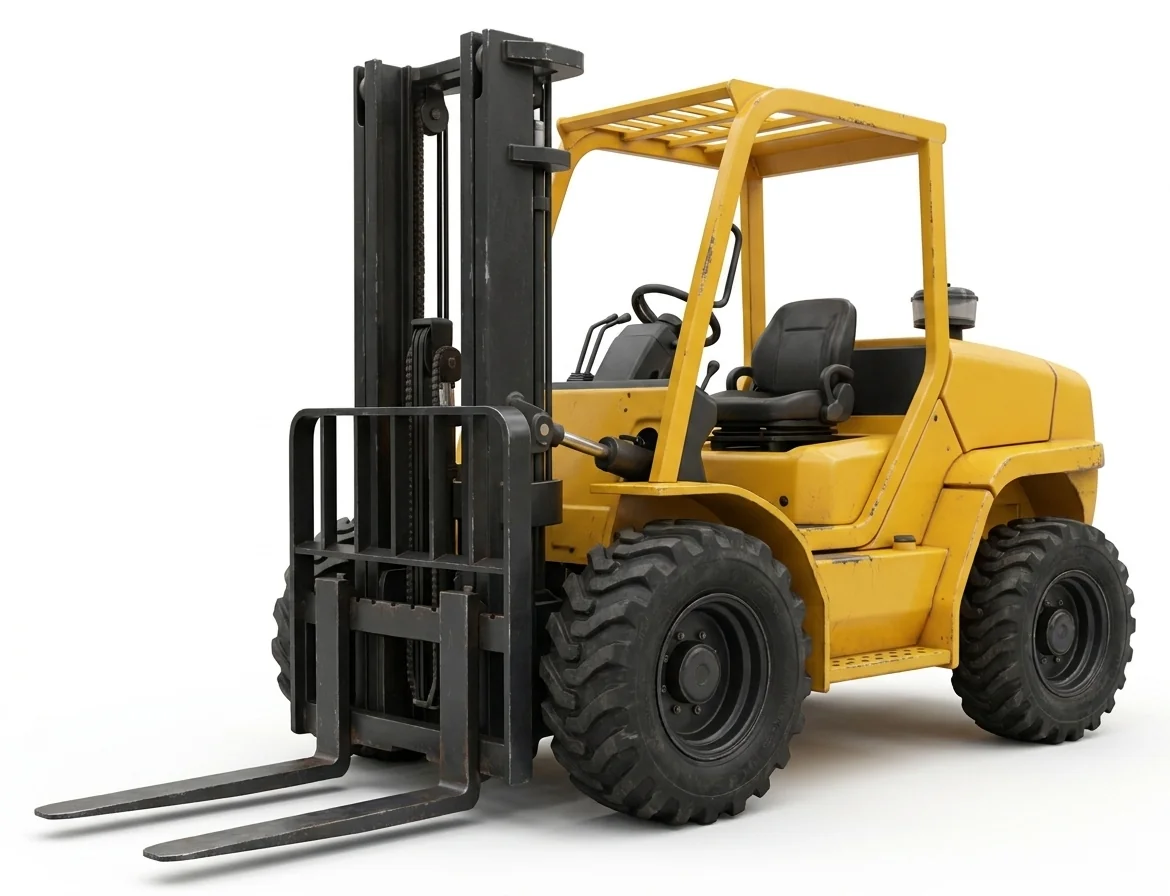
- Exterior edges and sand: Pneumatic-tire or rough-terrain units handle soft shoulders, construction entrances, and mixed pavers found around coastal properties.
- Salt exposure: Coastal air encourages corrosion on chains, forks, and electrical connectors. Exterior operations near the ocean call for corrosion-resistant specifications and vigilant inspection intervals.
Dimensions to verify
- Minimum aisle width and turning radius at racking or staging
- Door and threshold heights, including dock leveler transitions
- Travel incline on ramps, aprons, and temporary fills
- Rack beam height and required free lift under low ceilings or mezzanines
Power source considerations
- Electric forklifts reduce emissions indoors and suit long, stop-and-go shifts on smooth floors.
- LPG or diesel units support heavier loads outdoors and tolerate variable surfaces, with attention to ground bearing on sandy approaches.
Related equipment planning
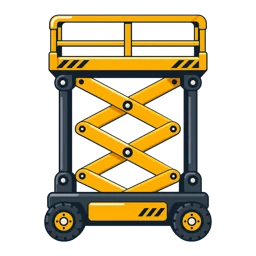
If the task becomes elevated placement beyond standard forklift reach, compare with /telehandler-rental/. For personnel access to adjacent facade tasks, see /vertical-mast-lift-rental/ for tight interiors or /articulating-boom-lift-rental/ for up-and-over exterior work.
Site procedures and conditions govern
Safe operation depends on the selected unit’s instructions and the jobsite’s rules, including surface limits and environmental exposure.