Site geometry and approach
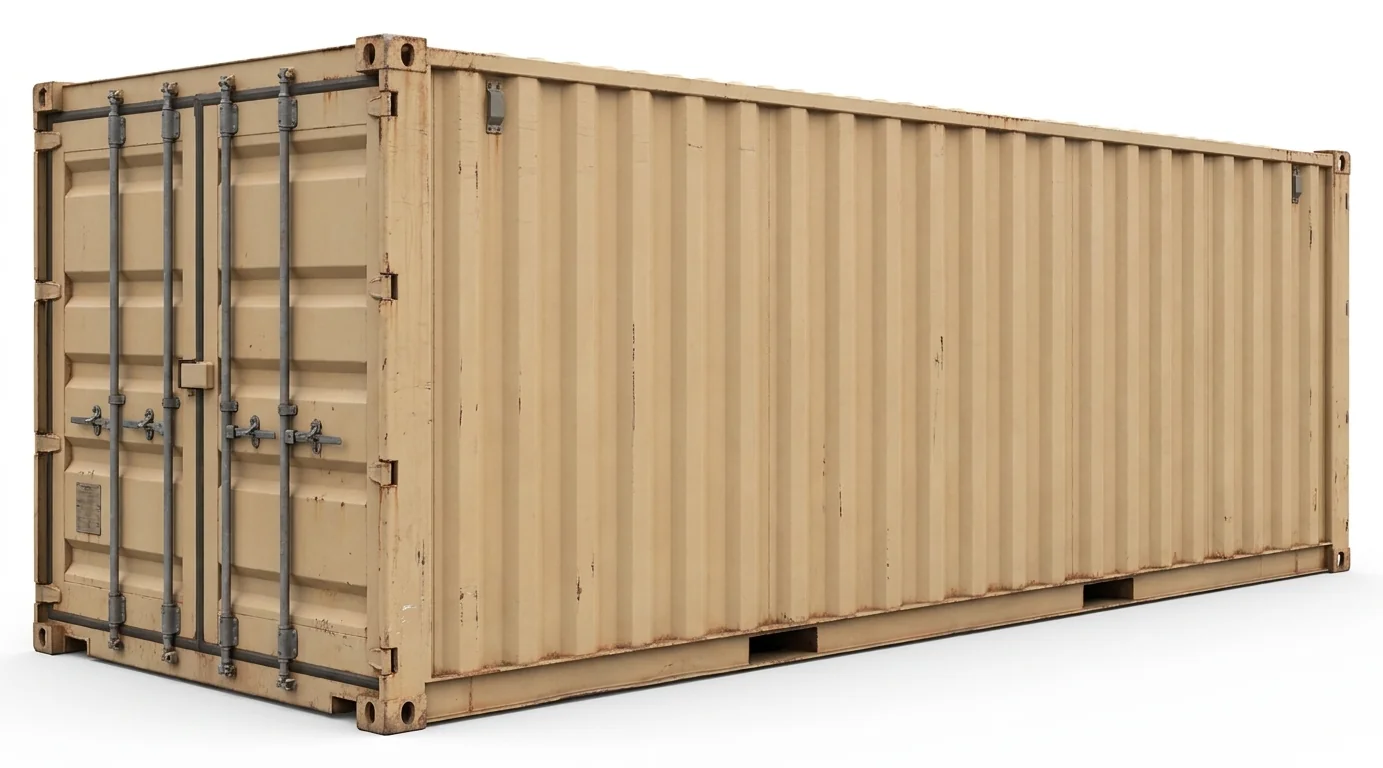
Start with the delivery path. Tight alleys by beachfront properties or service courts at large venues limit container length and truck maneuvering. If the unit must sit below a work area for frequent material transfers, align door orientation to the staging zone so crews aren’t crossing live traffic or soft sand.
Ground conditions on Daytona sands
Deep, loose sands can settle under concentrated loads at container corners. Spreading the load with suitable pads helps keep doors square so latches continue to align. On mixed pavement-sand interfaces, check that transitions won’t twist the frame when loaded with dense materials.
Corrosion-resilient features
Salt air accelerates wear on hinges, lock rods, and gaskets. Look for containers with robust coatings and weather seals that protect contents like lift batteries, electrical components, and finish materials used in hospitality or healthcare buildouts. For extended stays near the shoreline, document inspection points for door function and water intrusion after storms.
Capacity planning for regional industry needs
Aviation maintenance, event infrastructure, and multifamily construction create different interior layouts. Long items like rails or duct sections push you toward longer footprints, while parts bins and lift accessories favor shorter units placed closer to the work face. If forklifts or telehandlers will load the container, verify apron space and turning radius.
Helpful comparisons
- For staging heavy materials next to elevated work, see /telehandler-rental/ and /forklift-rental/
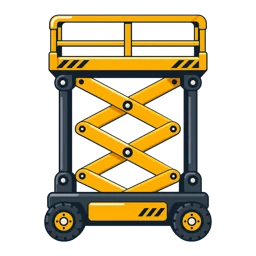
- For overhead tasks above the container staging area, review /vertical-mast-lift-rental/ or /boom-lift-rental/
Security and visibility near high-traffic venues
Temporary fencing or barricades can separate material zones from public areas during events or peak tourism periods. When sightlines matter, low-profile barriers may work better than opaque screens at pedestrian pinch points; see /temporary-fencing-barricades-rental/.