Start with reach geometry
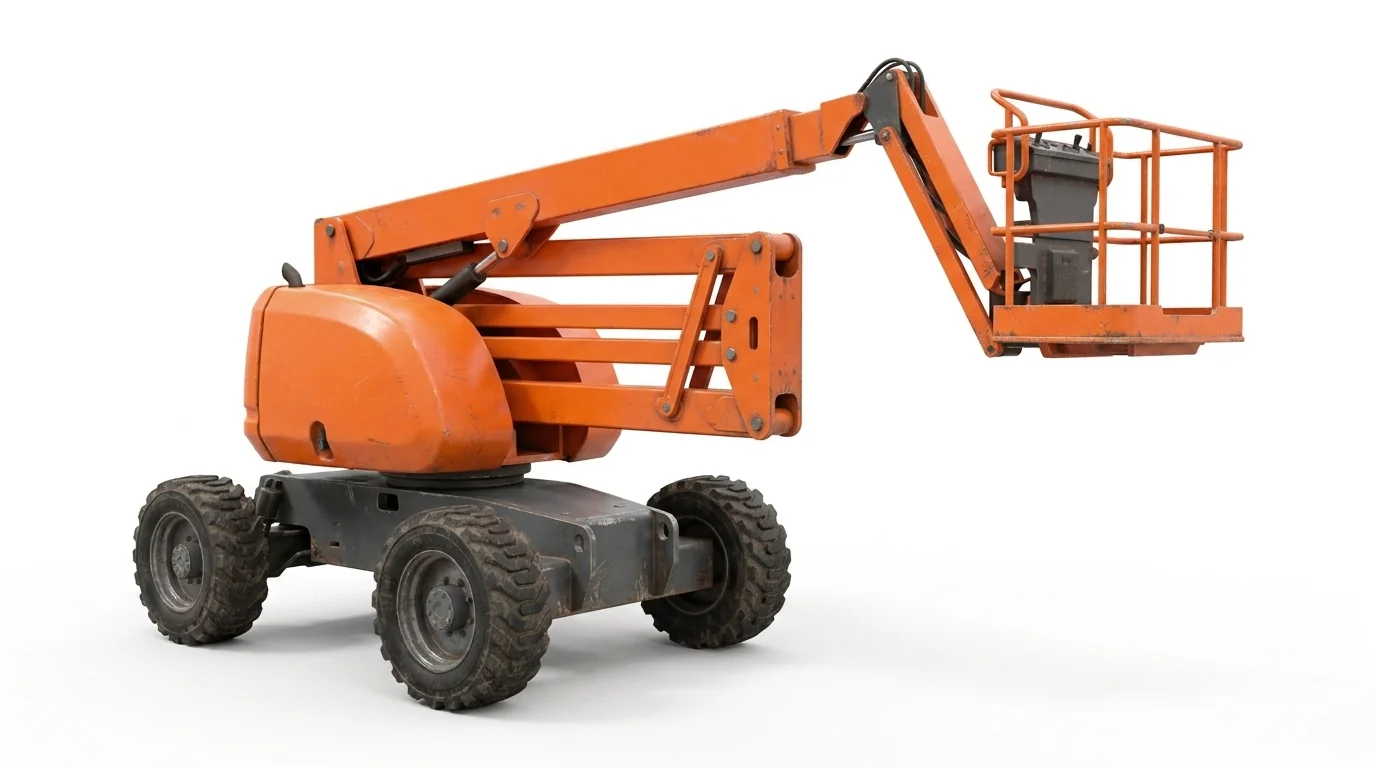
- Articulating booms: Multiple joints navigate around signs, trusses, and overhangs. Useful where the approach lane is tight or obstacles require up‑and‑over movement.
- Telescopic booms: Straight masts deliver longer horizontal reach and faster approaches over open ground when the travel path is clear.
Terrain and exposure considerations
- Unfinished or sandy ground reduces bearing capacity. Rough‑terrain packages and appropriate tires matter when moving between pads or along temporary access roads.
- Coastal air accelerates corrosion on exposed components. Projects on beachfront properties often plan for coastal‑resilient equipment and closer inspection intervals.
- Open venues can experience variable winds. Elevation and jib use outdoors are governed by the selected unit’s instructions and site procedures.
Sizing checkpoints for Daytona Beach projects
- Required horizontal reach to clear setbacks, canopies, or fencing
- Platform height for parapets and roofline tasks
- Machine width and turning radius vs. gates and staging lanes
- Total weight against soil or slab bearing values along the entire route
When a scissor lift is the better fit
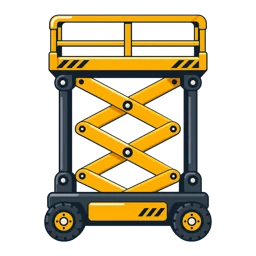
If the task sits directly overhead with no horizontal offset, a scissor at /aerial-lift-rental/ or /electric-scissor-lift-rental/ provides a larger platform for tools and materials and may reduce repositioning.
Common local applications
- Lighting, signage, and façade repairs where access lanes are offset from the work face
- Structural and MEP tasks that require outreach across equipment yards
- Event and hospitality maintenance where overhangs block straight‑up access